
Emotional abuse involves any conduct by a caregiver that causes psychological distress or emotional pain. It is widespread, frequently underreported, and even though it may leave no visible marks, emotional abuse is no less painful. Verbal abuse is sometimes easier to recognize, while non‑verbal abuse can be subtle and harder to detect.
If you suspect your loved one has suffered emotional abuse in a nursing home or care facility, you do not have to navigate this alone.
Has your loved one been emotionally abused in a nursing home? Let’s talk.
What is Emotional Abuse of the Elderly?
Emotional or psychological abuse occurs when a caregiver uses words, actions, or deliberate neglect to:
- Undermine dignity
- Instill fear or shame
- Control or isolate the person
- Cause emotional pain or distress
This can happen in many ways, both verbal and non‑verbal.
Verbal Emotional Abuse May Include:

A nursing home staff member verbally abusing an elderly resident.
- Yelling or screaming. Raising one’s voice in anger or frustration at the resident.
- Threatening or intimidating behavior. Using threats to control or frighten the resident.
- Name‑calling, insults, or ridicule. Mocking, belittling, or shaming the resident.
- Talking down to the resident. Speaking to the resident as if they were a child or incapable of understanding.
- Embarrassing the resident in front of others. Making demeaning comments in front of staff, residents, or visitors.
- Withholding affection or being deliberately cruel. Being cold, callous, or intentionally unkind.
Non-Verbal Emotional Abuse May Include:
- Silent treatment. Refusing to speak to or acknowledge the resident.
- Ignoring the resident’s needs or requests. Deliberately overlooking or dismissing them.
- Isolating the resident. Preventing participation in social activities or limiting contact with friends and family.
- Restricting basic needs. Unreasonably limiting access to food, water, or the bathroom as a form of control.
- Taking or hiding personal belongings. Removing items of personal or sentimental value to punish or manipulate.
If you’ve seen or heard behavior like this, it may be emotional abuse. Call (877) 284-6600 to speak with a member of our legal team.
Signs of Emotional Abuse or Mental Mistreatment
Because emotional abuse no physical injuries, it can be difficult to identify. However, certain changes in your loved one’s behavior or mood may be warning signs, including:
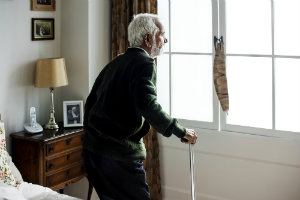
Signs include becoming withdrawn, depressed, and hopeless
- Frequent distress or emotional upset
- Withdrawal, depression, or shyness when previously more outgoing
- Avoiding eye contact
- Sudden changes in sleeping or eating patterns
- Sudden mood swings
- Feelings of hopelessness, disturbance, or fear
If you notice these signs, trust your instincts. It is better to ask questions and investigate than to ignore potential abuse.
Questions about what you’re seeing? Call us at (877) 284-6600 for a free, no‑obligation case evaluation.
Need More Information about Nursing Home Abuse & Neglect?
- Find blog articles related to Nursing Home Abuse & Neglect
- Signs of Abuse & Neglect
- Emotional Elder Abuse (Nursing Home Abuse Center)
Understanding the patterns of abuse can help you act quickly to protect your loved one.
Legal Help for Nursing Home Abuse Victims
Families place enormous trust in nursing homes, assisted living facilities, and in‑home care providers. When that trust is broken, the impact on your loved one—and on your family—is profound.
Emotional abuse may sometimes stem from poor training or understaffing, but it can also be intentional and malicious. Either way, it is unacceptable. If you believe your elderly loved one is being emotionally abused:
- Prioritize safety. Remove them from the harmful environment as soon as it is safe to do so.
- Document what you see. Note dates, times, names, and specific incidents or changes in behavior.
- Seek legal guidance. An experienced attorney can help you understand your options and protect your loved one’s rights.
In the Kansas City area, the attorneys at Nash & Franciskato are experienced in recovering financial compensation for medical expenses, pain and suffering, and emotional trauma. We are your advocates and the voice for your elderly family member, fighting to stop his or her pain and suffering. We bring:
- Over 80 years of combined experience
- Trusted legal advisor committed to your needs
- Free, no-obligation review of your case
- Super Lawyers for over 10 years
- The AV Preeminence Rating for Ethical Standards & Legal Ability
- Compassionate advocacy for you and your family
Receive a Free Evaluation from Experienced Nursing Home Abuse Attorneys
The attorneys at Nash & Franciskato have experience handling nursing home lawsuits. We will review the circumstances of your loved one’s treatment and provide guidance on your legal options. We want to help protect their rights.
Call Nash & Franciskato at (877) 284-6600 today for a free, no‑obligation review of your case.
Contact Us for a free Review of your Case
If you suspect emotional abuse, time matters. Conditions in a facility rarely improve on their own, and your loved one deserves safety, dignity, and respect.
Published on April 18, 2016 • Updated on January 30, 2025
Photo Credits:
- serezniy(Leonid Iastremskiy) – Image File – via depositphotos.com
- Rawpixel(Laura Louise Churchill) – Image File – via depositphotos.com
- perfectlab(Maksim Marchanka) – Image File – via depositphotos.com