Published: September 14, 2020 • Updated: April 2, 2023
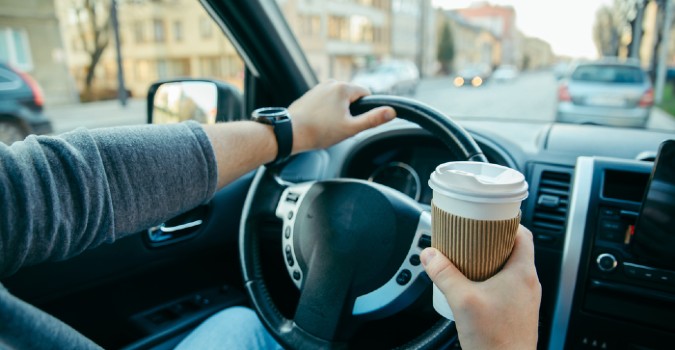
When people think about distracted driving, they often picture someone using a cell phone—talking, texting, or emailing. But the truth is that many different activities can divert a driver’s attention and lead to a serious accident. Distracted driving is defined as any activity that takes your focus away from operating a vehicle. When pursuing a personal injury claim, the challenge may be whether you can prove that distracted driving caused your accident.
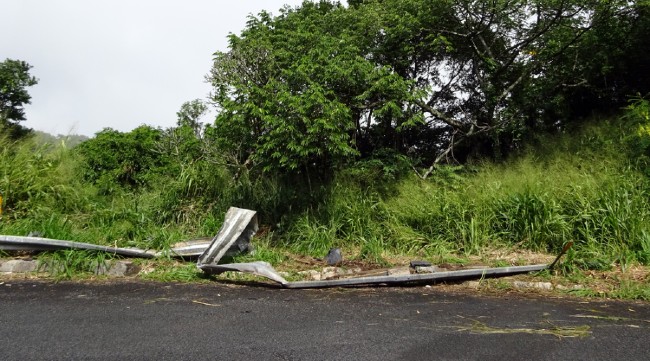
Highway guardrails are an important safety feature on our roadways. When designed correctly, they help reduce the impact of car accidents. They:
While guardrails are meant to protect vehicles and their passengers, and lessen the severity of a crash, there are circumstances when they do not.
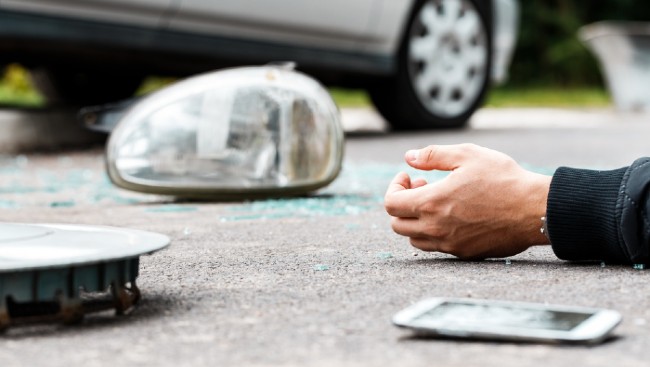
Every day, about 28 people in the United States die in drunk-driving crashes. That’s one person every 52 minutes. In 2019, there were 10,142 deaths from drunk-driving crashes.

Originally Published: June 12, 2020 • Updated: September 2, 2022
After a serious truck or car accident, you may focus on the physical injuries. You can see them; others can, too. It is clear that you were injured in the accident. What is not so obvious, however, is any psychological or emotional trauma suffered, such as anxiety or depression. Mental health issues related to accidents are common yet may not arise for days or weeks or longer, hiding beneath frustrations and stress.
Please note, this article is not medical advice. Talk with your physician or mental health provider about your situation.
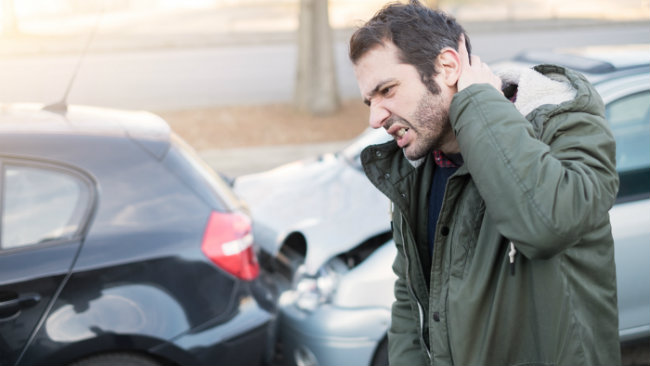
When a rear-end collision occurs, the initial assumption is that the car who rear-ended the other one is always at fault for the accident. While that is often the case, there are times when another may be held either partially or fully liable.
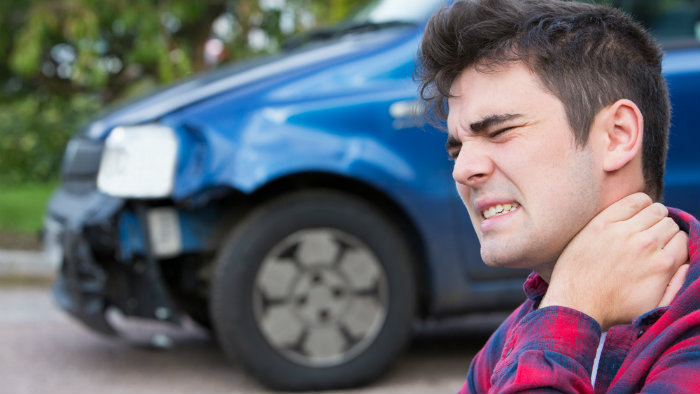
We always talk about the driver of the vehicles involved in auto accidents. What about the passengers? Most vehicles are passenger occupant vehicles – cars, minivans, SUVs. Injuries are not limited to the driver of the vehicle. What should a passenger do to obtain compensation for his or her injuries?
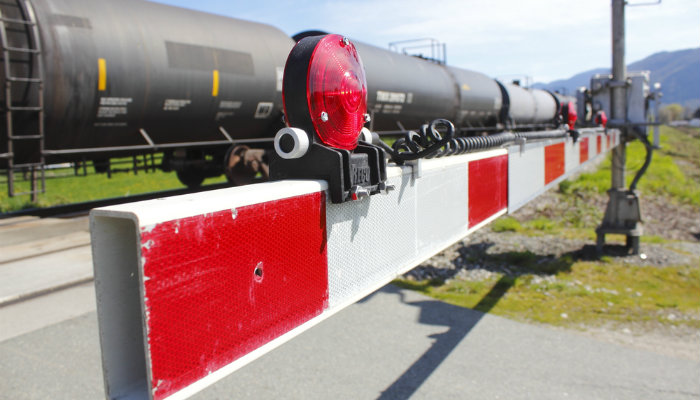
More than 2,200 rail grade crossing collisions occurred across our country’s approximately 140,000 miles of railroad track in 2018.
And, in 2018 alone:
According to Operation Lifesaver, a driver or passenger is about 20 times more likely to die in a collision with a train than in a collision with another vehicle.

Why Winter Driving Is So Risky
Winter weather creates some of the most dangerous driving conditions. Two of the biggest hazards are:
Together, these hazards account for a significant share of winter accidents (roughly ¼ of auto accidents). In fact, the U.S. Department of Transportation’s Federal Highway Administration reports that snowy and icy roads cause an average of 1,836 deaths and 136,309 injuries every year (based on a 10-year average from 2005–2014).
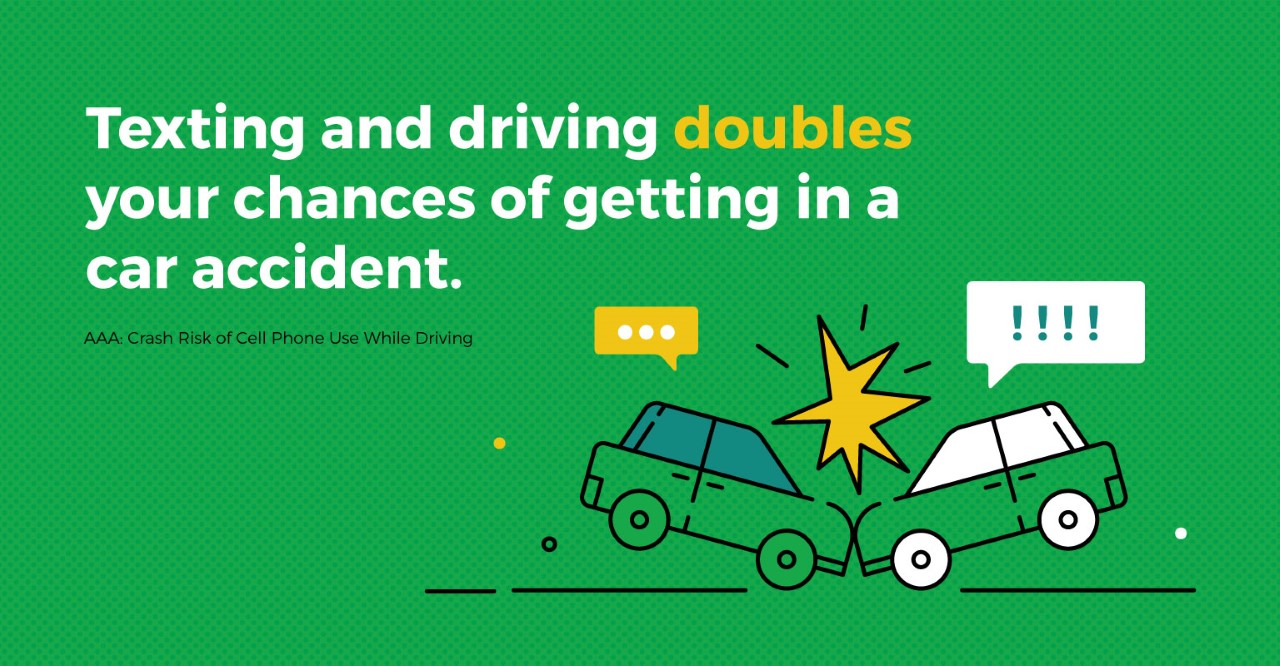
Smartphones allow us to be connected all the time no matter where we are, including behind the wheel of a vehicle. This means that far too many drivers have the potential of driving distracted, and the statistics paint an alarming picture, too, with cell phone usage accounting for 14% of fatal driver distracted crashes in 2017.
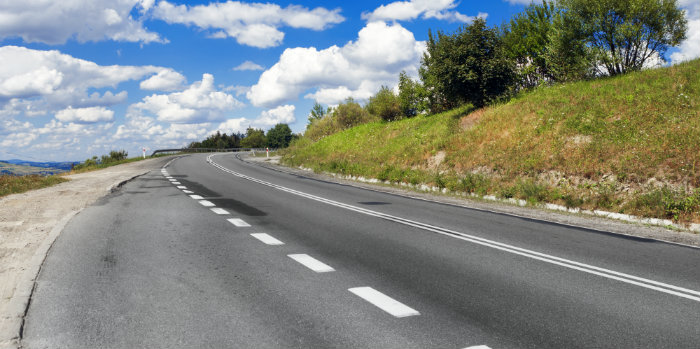
As a driver, you trust that the roads you drive on day in and day out have been designed and are maintained for your safe passage. Unfortunately, accidents happen. Cars skid, slide, run off the road down embankments, collide with other vehicles and more.