
Updated: January 2026
Social media is an integral part of our life today. We share updates with loved ones both near and far, celebrate milestones, vent frustrations, and post photos of our kids, our activities, and our health. But when you’ve been injured in a car accident or other incident that leads to a personal injury claim, posting online can do more harm than good. What you share — even innocent updates — can be used against you.
Imagine this: You are recovering from a car accident that left you with serious back and neck injuries. You cannot walk or sit without severe pain and are unable to return to work immediately. You file a personal injury claim against the at-fault driver. In the meantime, you post a few pictures on Facebook of you engaging in activities with your kids or mention that you are “feeling better today.”
Social media can backfire on you. Maybe you post a picture of you where you appear to be doing things you should not be able to do because of your injuries. Or, you might say something that unintentionally contradicts your statement.
To you, these posts feel harmless. But if the insurance company or defense attorney finds them, they can be used against you, leaving you high and dry, getting no compensation for your medical bills, pain and suffering, emotional or psychological injuries.
Even a single photo or comment can be taken out of context and used to argue:
A smiling photo, a check‑in at a restaurant, or a comment about your day can undermine months of medical documentation.
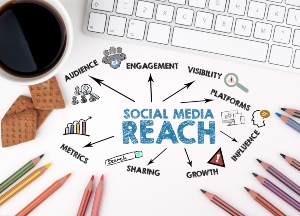 Many assume that their privacy settings protect them. Unfortunately, that’s not the case. You should know that just about anything you send, post or share can potentially be used as evidence – for your claim as well as for the defense.
In Missouri, trials must follow the Missouri Rules of Evidence. Under these rules, statements made outside of court are typically considered to be hearsay and are inadmissible; however, as always, there are exceptions to the rule. Because you are a party to the case, this means:
Examples of how social media can damage your credibility:
Nothing, especially, do NOT post
Even a simple “feeling better today” can be twisted to weaken your claim.
Questions? Our knowledgeable staff is available at (877) 284-6600.
Make sure you do this with ALL your social media accounts. Facebook is probably the most social, but think about Twitter, Instagram, LinkedIn and others.
To protect your case and your legal rights:
A single careless post can jeopardize your recovery and your compensation.
Keep in mind, the defense may file a demand to produce documents including copies of your social media pages even if your account is private.

Proving fault and securing compensation in a personal injury case can be complex. Working with an experienced Missouri personal injury lawyer increases your chances of a successful outcome.
Contact the capable counsel at Nash & Franciskato at (877) 284-6600. One of our experienced staff will speak with you personally and will provide you with a free, no-obligation case evaluation.
CONTACT US FOR A FREE REVIEW OF YOUR CASE
If you would like to receive news and blog updates on a regular basis, sign up to receive our email newsletter. Your email address will only be used to send you our newsletter and respond to inquiries.
Past results afford no guarantee of future results and each case is different and is judged on its own merits. The choice of a lawyer is an important decision and should not be based solely upon advertisements.
Editor’s Note: This post was originally published March 6, 2020. It was reviewed for content and accuracy on October 31, 2023 and republished on January 19, 2026 .
Photo Credits: