Staying Safe on the Roads, at Home, and Outdoors
Published on January 9, 2026
Winter weather brings beauty—but also a sharp rise in preventable accidents. Ice, snow, freezing temperatures, and reduced visibility create hazardous conditions that can lead to serious injuries. From car crashes to slip‑and‑fall accidents to carbon monoxide poisoning, winter dangers are real and widespread.
Here are some practical steps to protect yourself and your loved ones over the winter months.
What Are the Most Common Winter Weather Accidents?
While car accidents and slip‑and‑fall injuries increase significantly during winter months, several other cold‑weather hazards pose serious risks. Common winter accidents include:
Winter Accident Types
- Carbon monoxide poisoning
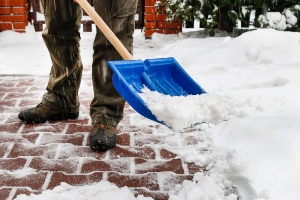
- Snow shoveling injuries
- Winter sports injuries
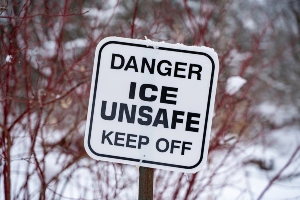
- Cold water immersion (falling through ice)
- Winter sunburn
- Trench foot
- Injuries from snow or ice breakage
- Space heater incidents
Common Winter Injuries
- Frostbite and hypothermia
- Sprains, fractures, broken bones, and concussions from slipping on ice
- Back, neck, and shoulder strains, including dislocations
- Overexertion and heart attacks
- Knee and ankle injuries
- Spinal cord injuries
- Traumatic brain injury
- Soft tissue injury
- Burn injuries
How Can You Reduce the Risk of Winter‑Related Accidents?
Winter weather in Kansas and Missouri can be unpredictable, but you can take steps to stay safe.
General Winter Safety Tips
- Wear boots with good traction or rubber soles.
- Dress in layers, including a waterproof outer layer to prevent hypothermia.
- Monitor weather forecasts and alerts.
- Watch for black ice on roads and sidewalks.
- Drive slower, increase following distance (5–6 seconds or more), and avoid sudden braking.
- Use winter tires and keep your vehicle properly maintained.
Preventing Slip‑and‑Fall Accidents
 Walk slowly and keep your arms free for balance.
- Avoid carrying heavy packages when possible.
- Lean slightly forward and take shorter steps on icy surfaces.
- Use handrails and be cautious when entering or exiting vehicles.
- Remove snow, ice, and water from your shoes when entering buildings.
- Ensure exterior walkways are well lit.
Winter Driving Safety Tips
Winter driving requires preparation and caution. To reduce your risk:
- Ensure your vehicle is winter‑ready: winter tires, strong battery, and a gas tank at least half full.
- Clear all snow and ice from windows, mirrors, lights, and the roof.
- Turn on headlights for visibility.
- Carry a winter emergency kit: blankets, shovel, flashlight, scraper, extra clothing, first-aid kit, sand/salt, snacks, and chargers.
- Give snowplows plenty of space—they have limited visibility and make wide turns.
- If you hit black ice, steer gently and slow down gradually.
- Check your car battery every few months—cold weather weakens battery performance.
Personal and Home Winter Safety
- Install and maintain carbon monoxide detectors.
- Never use generators, grills, or camp stoves indoors.
- Clear walkways early and often.
- Stay hydrated and take breaks when shoveling to avoid overexertion.
- Use proper form when lifting snow to reduce back and heart strain.
- During power outages, use flashlights instead of candles. Keep an emergency kit with flashlights, extra batteries, a first-aid kit, extra medicine, and baby items plus food and water for three days.
- Keep one room sealed to retain heat.
- Use fireplaces only with proper ventilation. Be sure chimneys have been cleaned.
- Keep space heaters away from flammable materials and never leave portable heat sources on unattended.
- Use heating devices with automatic turn-off switches in case they tip over.
- Closely monitor any open flames such as burning fires or candles.
Additional tools and technologies, including weather tracking apps and GPS-enabled safety devices, can help prevent accidents, too.
HOW CAN WE HELP YOU?
 If you’ve been seriously injured in a winter weather accident, you may be entitled to compensation. Our team at Nash & Franciskato offers:
- Free, no-obligation case evaluations
- Personalized legal guidance to determine liability and protect your rights
Call us today at (877) 284-6600 to speak with our knowledgeable staff.
CONTACT US
STAY INFORMED. SIGN UP FOR OUR EMAIL NEWSLETTER
If you would like to receive news and blog updates on a regular basis, sign up to receive our email newsletter. Your email address will only be used to send you our newsletter and respond to inquiries.
SIGN UP FOR NEWSLETTER
Past results afford no guarantee of future results, and each case is different and is judged on its own merits. The choice of a lawyer is an important decision and should not be based solely upon advertisements.
Photo Credits:
Related