
Published: June 15, 2023 • Updated: March 2, 2026.
A car accident can leave lasting emotional effects long after the physical injuries heal. Many experience anxiety, fear of driving, sleep disturbances, nightmares, or flashbacks following a crash. These reactions are common after trauma, and recovery often requires time, patience, and support from qualified health professionals.
Please note, these are general suggestions, not medical advice. Contact a licensed healthcare provider to help you address your specific symptoms and needs.
These strategies and tips may help you get started on your recovery.
Prioritize Self‑Care
Anxiety can disrupt daily routines and make it harder to care for your basic needs, sleeping, eating, exercising, and staying social. Re‑establishing healthy habits supports emotional healing.
Part of self‑care may include seeking professional mental health support. A therapist or counselor can help you process the accident, manage anxiety symptoms, and develop coping strategies—especially if your symptoms interfere with work, relationships, or daily functioning.
Build a Support Network
 Talking with others who understand what you’re going through can be helpful.
Practice Relaxation Techniques
Relaxation and breathing exercises are widely used tools to help manage anxiety. Techniques such as slow breathing, grounding exercises, or guided relaxation can help calm the body’s stress response and reduce tension.
Use Journaling as a Tool
Do not underestimate the power of journaling. Writing about the accident, how it impacted you, and your feelings can help you express emotions you are unwilling or unable to share with your support network. It can also be helpful should you decide to seek treatment or pursue a personal injury claim, as it documents your emotional and psychological challenges over time.
These organizations offer education, tools, and ways to find professional support. Your medical provider can provide you with more.
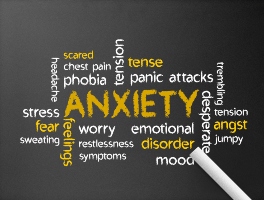 The Anxiety and Depression Association of America (ADAA) has additional resources such as educational materials, webinars, and a therapist finder to help you find a mental health professional in your area.
Emotional and psychological injuries after a car or truck accident are real and may require treatment. These issues can also play a role in a personal injury claim, and having experienced legal guidance can make a meaningful difference.
Call Nash & Franciskato at (877) 284-6600 for a free, no‑obligation case review.
You’ll speak directly with a member of our team who can evaluate your situation and help you understand your options.
START YOUR FREE CASE REVIEW TODAY
Sign up to receive our email newsletter with updates, resources, and new blog posts. Your email address will only be used to send you our newsletter and respond to inquiries.
Past results afford no guarantee of future results, and each case is different and is judged on its own merits. The choice of a lawyer is an important decision and should not be based solely upon advertisements.
Photo Credits: