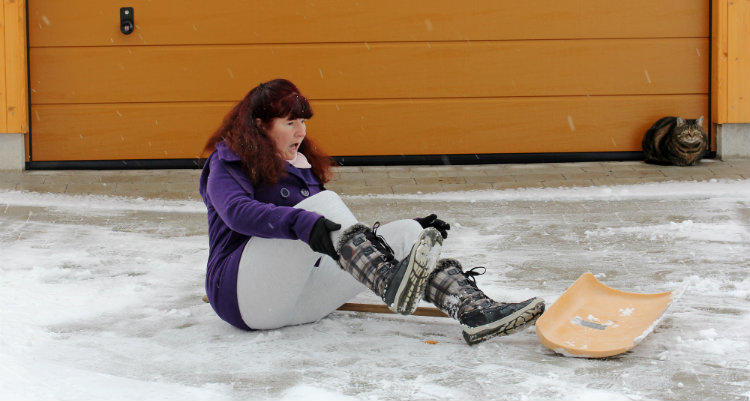
Avoiding Common Winter Injuries

Snow Shoveling Winter Injuries

Updated: December 31, 2025

Winter is here. While it can be a fun season, it also brings winter injuries. With icy sidewalks, heavy snow, and fast-paced winter sports, the more you know, the better prepared you will be. The most common winter accidents that can lead to serious injuries include:
  • Slips and falls on ice
  • Muscle strains from shoveling snow
  • Accidents while playing winter sports


Slips and Falls on ice

slips and falls on ice winter injuries common winter accidents severe injuries

Slip and fall on snow and ice.

Ice is difficult to see whether day or night. A simple misstep can lead to severe injuries, especially when you twist or wrench your back trying to regain your balance. Common slip and fall injuries include:

  • Bruises
  • Head/traumatic brain injuries and/or concussions
  • Ankle strains or other kinds of muscle/ligament sprains
  • Broken bones, most commonly hip and wrist fractures
  • Back injuries
  • Spinal cord injuries

If you had a slip and fall accident while on someone else’s property, you may have a premises liability case. Premises liability holds property owners legally responsible for accidents that occur on their property due to unsafe conditions, such as unsafe walkways, untreated ice, or other hazards.


Looking for more information? Explore our blog articles on Premises Liability and Slip & Fall Accidents.


Safety Tips on Slippery and Icy Surfaces

  • Choose insulated, waterproof shoes with good treads to give you good traction – waffled, ridged, or heavily textured soles.
  • Keep a pair of rubber over-shoes (that fit over street shoes) handy for unexpected icy conditions – at work, in your car.
  • Walk slowly when walking on slippery, icy, and snowy surfaces taking short, careful steps, (otherwise known as the “penguin shuffle”).
  • Avoid wet leaves, icy patches, and snowbanks.
  • Use salt, sand, or ice melt on your driveway and outdoor steps.
  • Watch out for black ice, especially in shaded areas.
  • When entering a building, watch for slippery floors and stomp off as much snow and water as possible to avoid creating slippery indoor surfaces.
  • Use handrails to prevent falls whenever possible.

Shoveling Snow

Shoveling snow is one of the most physically demanding winter tasks. As you scoop, lift, and toss the snow, you put a lot of stress and strain on your body. Cold temperatures, repetitive lifting, twisting, and pushing all increase the risk of injury.

A national study found that over the course of eleven years, there was an average of 11,500 emergency room visits due to snow shoveling injuries.

The most common injuries from shoveling snow are soft tissue injuries to the lower back region.

Take it easy and slow. Use the right shovel and the correct form.

  • Purchase the right shovel for the job. Plastic shovels are lightweight and do not add to the weight of the snow. Steel shovels are the heaviest and require the most energy to use.
  • Shove snow to the side on sidewalks and driveways. Snow shovels designed to push rather than scoop require less physical exertion.
  • Use an ergonomically designed shovel. These are designed to lessen the strain on your lower back while scooping snow.
  • Use the correct form when shoveling – back is straight, not curved; knees bent, not straight, and always bend over from the hip.
  • Frequent trips outside to clear snow will be easier on your body and lessen your chance of shoveling injuries.
  • Consider using salts, deicing sprays, heated sidewalk mats, and snow blowers instead of shoveling.

Winter Sports Safety

Winter leads to fun and more extreme sports in the snow — ice hockey, ice skating, skiing, snowboarding, sledding, toboganning. These activities also increase the risk of falls, collisions, broken bones, sprains, and concussions.

Kids love winter sports, but there are risks that come with them. Sliding headfirst down a hill leaves your child open to hitting his or her head or getting hit by a car if near a roadway.

Help prevent winter sports injuries:
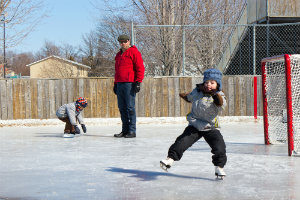
Kid skating getting ready to fall winter winter accidents

Winter sport – ice skating.

  • Wear proper protective gear for the sport – goggles, helmets, gloves, and padding.
  • Choose appropriate footwear that provides warmth. dryness and good traction.
  • Learn how to fall safely for the sport you are participating in, such as skiing. Take lessons when needed.
  • Wrist guards can lessen the impact of a fall. Same with good ankle support.
  • Ensure children have the proper adult supervision and stay away from roadways when sledding.

Common Types of Winter Injuries

  • Head, shoulder, neck, and back injuries
  • Knee joint pain
  • Wrist sprains
  • Elbow fractures, dislocations
  • Ankle sprains and strains
  • Hip fractures
  • Broken bones from icy falls
  • Painful bruises from icy conditions
  • Muscle strains from shoveling
  • Ruptured discs from heavy lifting
  • Torn ACLs from winter sports
  • Concussions from sledding

Seriously Injured in a Slip & Fall Accident?

Have you been seriously injured in a slip and fall accident? Our team has a strong track record of helping accident victims collect the compensation they deserve. Call Nash & Franciskato today at (877) 284-6600. One of our experienced staff members will speak with you personally and provide you with a free, no-obligation case evaluation.

CONTACT US FOR A FREE REVIEW OF YOUR CASE

Stay Informed. SIGN UP FOR OUR EMAIL NEWSLETTER

If you would like to receive news and blog updates regularly, sign up to receive our email newsletter. Your email address will only be used to send you our newsletter and respond to inquiries.

SIGN UP FOR NEWSLETTER


Past results afford no guarantee of future results, and each case is different and is judged on its own merits. The choice of a lawyer is an important decision and should not be based solely upon advertisements.

Editor’s Note: This post was originally published on November 18, 2019. It has been reviewed and updated for content and accuracy: November 14, 2022, December 19, 2023, and December 31, 2025.

Photo Credits:

Contact Us Today for Help!

  • This field is for validation purposes and should be left unchanged.