
Why Winter Driving Is So Risky
Winter weather creates some of the most dangerous driving conditions. Two of the biggest hazards are:
Together, these hazards account for a significant share of winter accidents (roughly ¼ of auto accidents). In fact, the U.S. Department of Transportation’s Federal Highway Administration reports that snowy and icy roads cause an average of 1,836 deaths and 136,309 injuries every year (based on a 10-year average from 2005–2014).
Wet roads present hazards in all seasons, making it easier to skid and collide into other vehicles, but winter magnifies the risk. Snow and ice increase glare, reflecting it up to twice as much as a dry road, making it harder to see. Black ice—a thin, invisible layer of frozen water—poses the deadliest threat.
Where Black Ice Forms Most Often
It is found when temperatures are near or below freezing and can form even when not raining or snowing. We often refer to it as the deadliest of all winter driving hazards.
Driving Tips for Black Ice
When you have questions, we are here to help. Call us at (877) 284-6600.
Driving in snow, ice, sleet, and rain makes driving that much more challenging. Snow, sleet, rain, and cloud cover reduce daylight brightness, making it harder to judge distance and speed. Add slush, salt, and ice to your windshield, and visibility can drop to near zero. Oncoming headlights reduce your vision even more.
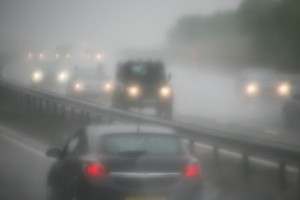 Lack of Visibility. Lack of visibility is one of the top reasons for winter driving accidents. Inclement weather and precipitation significantly reduce visibility.
Driving Tips for Better Visibility
Additional Resources for You
If you or a loved one has been injured in a winter driving accident, contact the capable counsel you need now. Our experienced team is here to help. Call us today at (877) 284-6600 for a free, no-obligation case evaluation.
START YOUR FREE CASE EVALUATION TODAY
If you would like more safety tips and updates, sign up to receive our email newsletter. Your email address will only be used to send you our newsletter and respond to inquiries.
Past results afford no guarantee of future results and each case is different and is judged on its own merits. The choice of a lawyer is an important decision and should not be based solely upon advertisements.
Editor’s Note: This post was originally published on November 11, 2019. It was reviewed and updated again on November 9, 2022. Last editing of content: December 5, 2025.
Photo Credits: