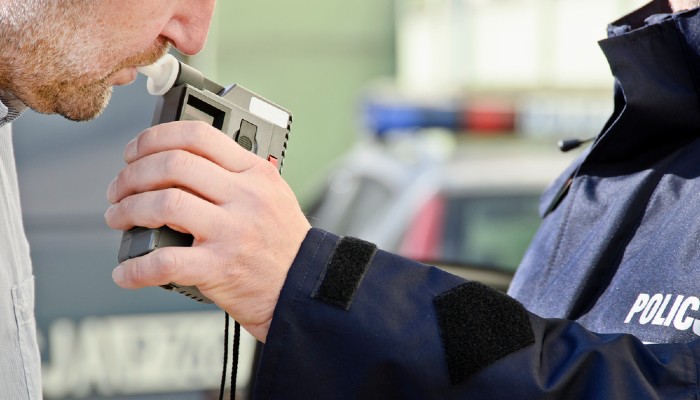
In 2023, 12,429 people died in alcohol-impaired driving traffic deaths – that’s one person every 42 minutes. Your level of impairment is measured by what is referred to as blood alcohol content, or BAC. Alcohol affects judgment, reasoning, reaction time, and muscle coordination — all essential for safe driving. This FAQ provides clear, straightforward answers to common questions about BAC and impaired driving.
Injured by an Impaired Driver? We Can Help.
If you have been seriously injured in a car accident caused by a drunk or impaired driver, contact the law office of Nash & Franciskato for a free, no-obligation review of your case.
What is a BAC?
Blood alcohol content, or BAC, is a measurement of the percentage of alcohol that’s in your bloodstream after you’ve been drinking. As your BAC increases, so does the level of alcohol-related impairment you will experience.
Does the type of alcohol (i.e., beer vs. wine) matter?
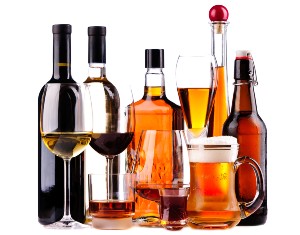 No. A drink is a drink whether it is beer, wine, or hard liquor.
One Standard Drink
More Than One Standard Drink
What affects your BAC?
BAC rises at different rates depending on factors such as:
Questions? Call us at (877) 284-6600.
Alcohol steadily decreases your ability to drive a motor vehicle safely. Even a small amount of alcohol can affect the brain and your ability to drive; however, signs of impairment will present differently for each person.
At just a .02 BAC level, there is some loss of judgment, a decline in visual functions, and a decline in the ability to perform two tasks at the same time.
At 0.0%, there is no alcohol in your blood; you are sober.
At a .05 BAC level, it gets harder to focus your eyes, judgment is impaired, and you have a lowered alertness level. What this means when you are behind the wheel:
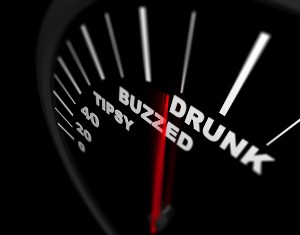 At a .08 BAC level — when you are considered legally intoxicated — muscle coordination is impacted, which includes speech, vision, reaction time, and hearing; and judgment, reasoning, and memory are also impaired. When behind the wheel, this means:
How to Stay Safe When Drinking
The safest choice is never to drive after drinking. Plan ahead:
If you’ve been seriously injured in a motor vehicle accident caused by an impaired or legally intoxicated driver, call Nash & Franciskato at (877) 284‑6600. We have a successful track record of helping accident victims collect the compensation they deserve.
You’ll speak directly with a member of our experienced team for a free, no‑obligation case evaluation.
START YOUR FREE CASE EVALUATION
Stay informed with our latest legal updates, safety tips, and personal injury insights.
Past results afford no guarantee of future results, and each case is different and is judged on its own merits. The choice of a lawyer is an important decision and should not be based solely on advertisements.
Editor’s Note: This post was originally published on December 5, 2022. It was reviewed on December 19, 2023, July 17, 2024, and December 20, 2025.
Photo Credits: